French Nails Are Not Worn the Way They Used to Be
French Nails Are Not Worn the Way They Used to Be
There is a very common way people ask for nails at the salon: “I want a French manicure, but not the typical one.”
That sentence says a lot. The client is not rejecting the French manicure. She is rejecting the idea of looking the same as always: the overly defined white tip, the nude base that does not flatter everyone, the clean but predictable design.
What she wants is something else. She wants hands that look clean, elegant, and cared for, but with a detail that feels current. She wants a manicure that goes with everything, but does not look like it was chosen out of habit. She wants something subtle, yes, but not boring.
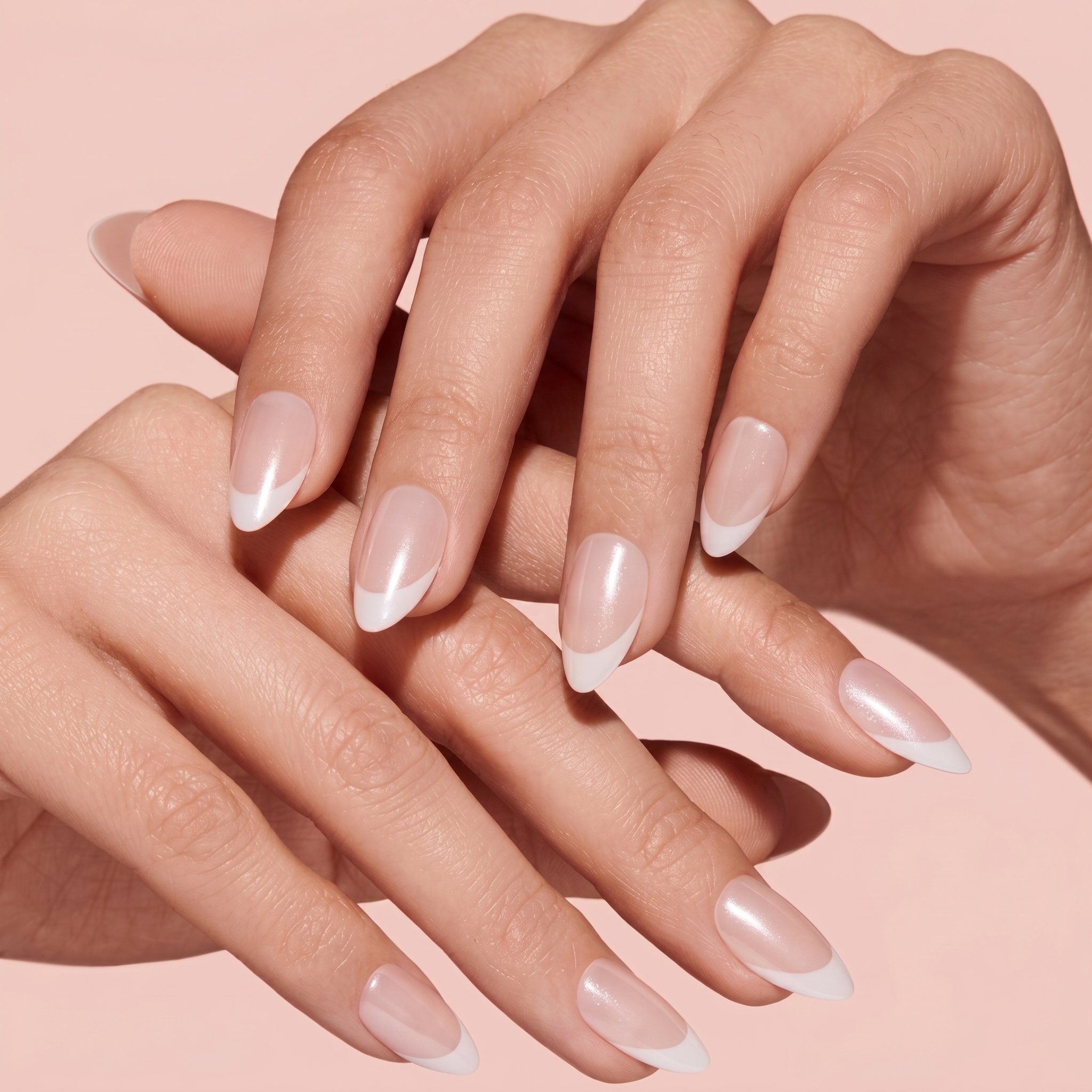
That is why the French manicure is still relevant. Not because it stayed the same, but because it learned how to change.
Today, it can be thinner, milkier, brighter, more diffused, or more unexpected. It can include color, chrome, a glass effect, or an almost invisible tip. The key is no longer asking for “a French manicure” as if it were only one thing. The key is choosing which version of the French manicure flatters your hand, your style, and the way you want to look.
The French Manicure Changed Because We No Longer Want an Automatic Manicure
Before, asking for a French manicure almost always meant the same thing: a natural base, a white tip, and a very classic feel.
Now, that formula feels limited.
A French manicure can still be elegant without looking stiff. It can include design without feeling heavy. It can look clean without becoming basic. And that matters because many clients do not want a manicure that simply “looks good”; they want one that feels considered.
The difference is in the details:
- The thickness of the tip can make the nail look more refined or heavier.
- The tone of the base can flatter the skin or make the hand look dull.
- The color of the tip can make the manicure feel softer, warmer, or bolder.
- The finish can make the design feel classic, modern, luminous, or editorial.
- The nail shape can completely change how the French manicure is perceived.
That is also why a good reference is not always enough: the result changes depending on the hand, the skin tone, the nail shape, and the finish. At ceremonia, that kind of reading is part of the experience, not an extra step.
Micro French: For Looking Polished Without Letting the Nails Compete for Attention
The micro French is one of the most flattering versions when you want something clean, delicate, and current.

The tip is thinner than a traditional French tip. Sometimes, it is barely noticeable. That is exactly why it works so well: it visually elongates the nail, keeps the hand looking polished, and does not feel overdone.
It is a good option if you usually say things like:
- “I want something elegant, but not boring.”
- “I want it to look clean.”
- “I do not want a heavy design.”
- “I want something that goes with everything.”
- “I want pretty nails, but still discreet.”
The micro French solves that tension beautifully. It does not scream trend, but it does not look outdated either. It is a manicure that stands out because it looks cared for, not because it is exaggerated.
Color French: For Moving Beyond White Without Losing Elegance
The color French works when you want something different, but still easy to wear.
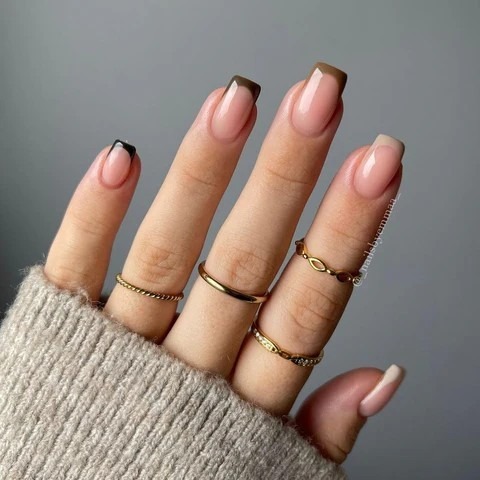
You do not need to cover the whole nail in color. Changing only the tip is enough to give the manicure a different intention. The structure remains clean, but the result feels more personal.
Some versions that work especially well:
- Cherry: has presence, feels feminine, and adds character without covering the whole nail.
- Mocha or chocolate: feels warm, sophisticated, and less obvious than white.
- Matcha: gives a fresh, current effect without feeling childish.
- Pastel: softens the hand and keeps the look delicate.
- Black, wine, or midnight blue: adds contrast and personality without overwhelming the manicure.
This version is ideal when you want a recognizable French manicure, but with a detail that keeps it from looking like the usual one.
Chrome French: For Adding More Light to a Classic Structure
The chrome French does not necessarily change the shape of the French manicure. It changes how it looks when it catches the light.
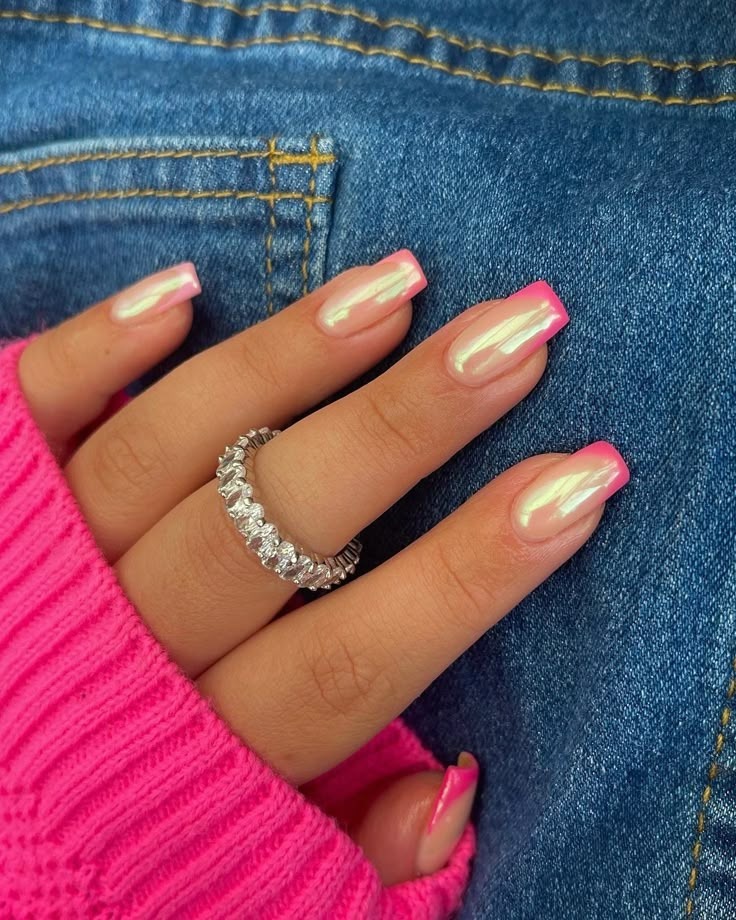
That metallic or pearly finish makes a simple tip look more polished, more current, and more special. It can be soft silver, champagne, pearly pink, or a cooler chrome, depending on the effect you want.
It works especially well when you want a manicure that feels more elevated, but without adding drawings, stones, or too many elements.
The advantage is clear: it keeps the elegance of the French manicure, but adds a layer of visual intention.
Glass French: For a Clean, Glossy Nail With More Dimension
The glass French is for anyone who wants a luminous manicure without making it feel heavy.
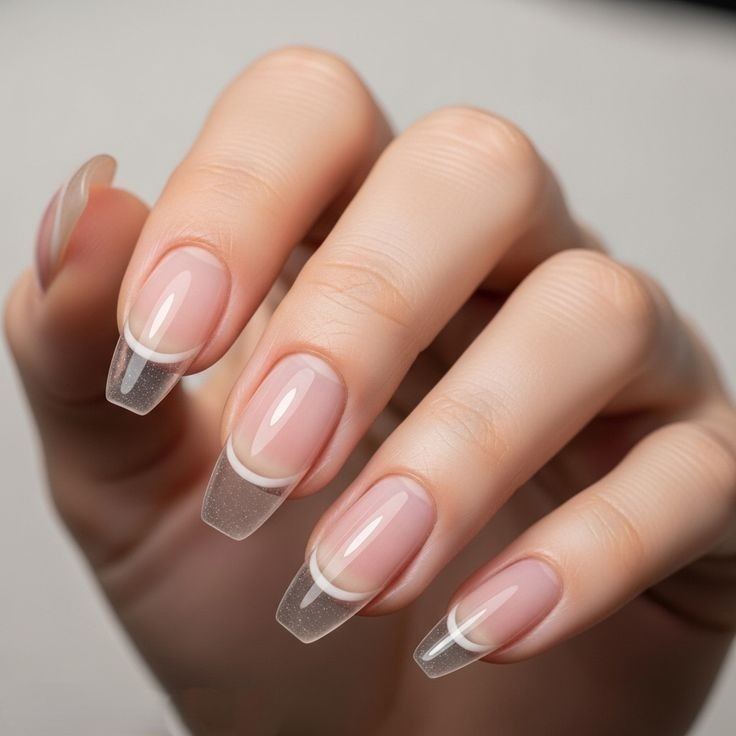
The effect does not depend on a strong color, but on transparency, shine, and depth. The nail looks fresher, more polished, and more cared for. It is one of those manicures that may look simple at first glance, but photographs beautifully and looks even better in movement.
It makes sense for clients who want:
- a clean nail, but not a flat one
- shine without obvious glitter
- a modern French manicure, but still soft
- an elegant manicure for different contexts
- a result that looks intentional without feeling excessive
The glass French works because it does not need to explain itself too much. It looks clean, but it has something extra.
Cloudy French: For a Softer, Milkier, Less Literal French Manicure
The cloudy French solves a very common hesitation: wanting a French manicure, but not wanting such a defined white line.
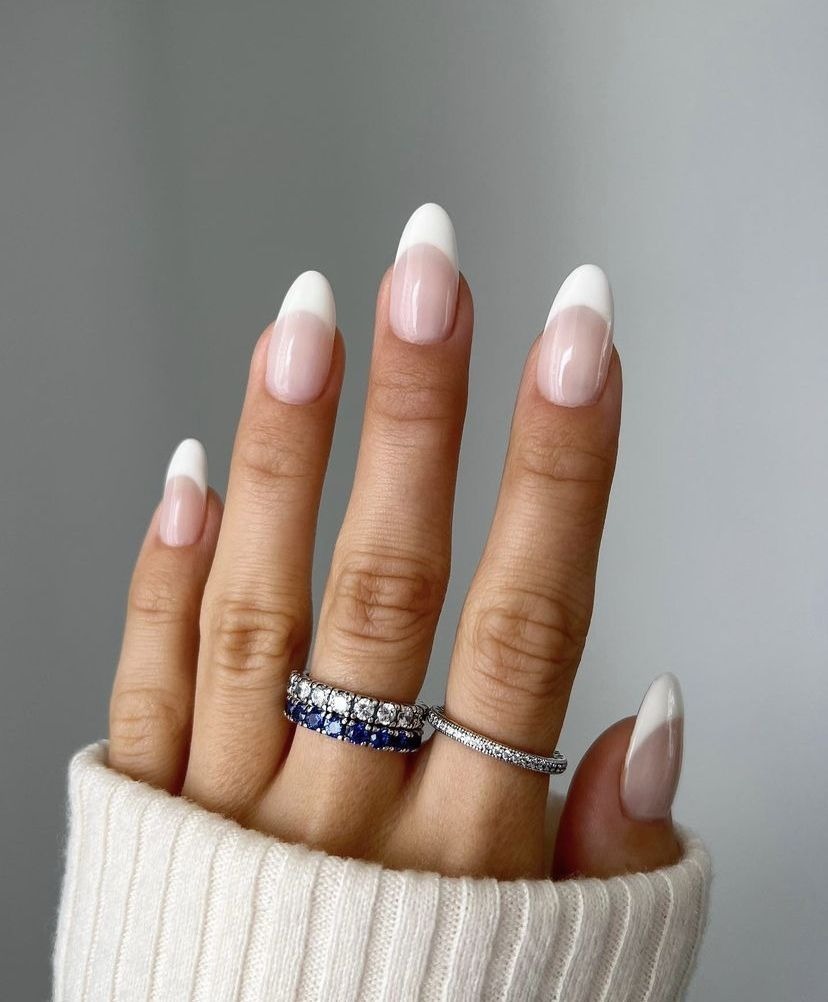
Here, the tip looks more diffused, milkier, and less rigid. Instead of a strong contrast, there is a soft transition. The result feels more natural, more delicate, and more modern.
It is a great option if you like nude, milky, or barely there nails, but still want the manicure to have a little more intention.
The cloudy French works because it:
- softens the contrast of the classic French manicure
- makes the hand look delicate
- prevents the white tip from feeling harsh
- pairs beautifully with milky bases
- keeps the idea of a French manicure without making it too literal
It is an especially flattering version when you want something elegant, but not obvious.
Which French Nails Feel Most Current Right Now?
Not every version of the French manicure creates the same effect. Some feel more classic. Others feel more editorial. Others are perfect for everyday wear.
If you are looking for inspiration, these are the strongest directions:
- Micro French on a milky base: clean, discreet, and easy to wear.
- Mocha French: warm, elegant, and less predictable than white.
- Cherry French: feminine, confident, and full of presence.
- Soft chrome French: luminous, modern, and more special.
- Glass French: glossy, clean, and dimensional.
- Cloudy French: delicate, milky, and very natural.
- Pastel French: fresh, light, and current.
The point is not to choose the one that appears most often online. The point is to choose the one that looks best on your hand and best fits your style.
What Can Make a French Manicure Feel Outdated?
The classic French manicure is not wrong. What can make it feel outdated is applying it without adjusting anything.
A tip that is too thick can visually shorten the nail. A white that is too stark can feel heavy if you want something softer. A nude base that does not work with your skin tone can make the hand look dull. A shape that does not flatter your hand can make even a beautiful reference look different in real life.
That is why it is worth paying attention to:
- Tip thickness: the shorter the nail, the more important it is that the line does not feel too heavy.
- The tone of white: not all whites flatter the same way; some look softer, others more contrasted.
- The base: milky, nude, pink, or translucent bases completely change the result.
- The shape: soft square, almond, or squoval can make the French manicure feel more current.
- The finish: gloss, chrome, glass, or a diffused effect can define whether the result feels classic, modern, or more editorial.
The difference between a correct French manicure and a truly flattering French manicure is almost always there.
How to Choose Your Next French Manicure
Before choosing a reference, think about what you want your hands to communicate.
- If you want to look clean and elegant, a micro French on a milky base is probably the best option.
- If you want something discreet, but with color, a mocha, cherry, or pastel tip can give you that change without making the manicure feel heavy.
- If you want more light, a chrome French or glass French can make the nail look more polished without adding too many elements.
- If you want something soft and feminine, the cloudy French is a very flattering direction.
And if you do not know where to start, ask yourself this:
Do I want my nails to look clean, luminous, delicate, or more expressive?
That answer helps more than saving ten different references.
The French Manicure Is Still Relevant, But It Is Not Worn the Same Way
The French manicure did not disappear. It simply stopped being only one thing.
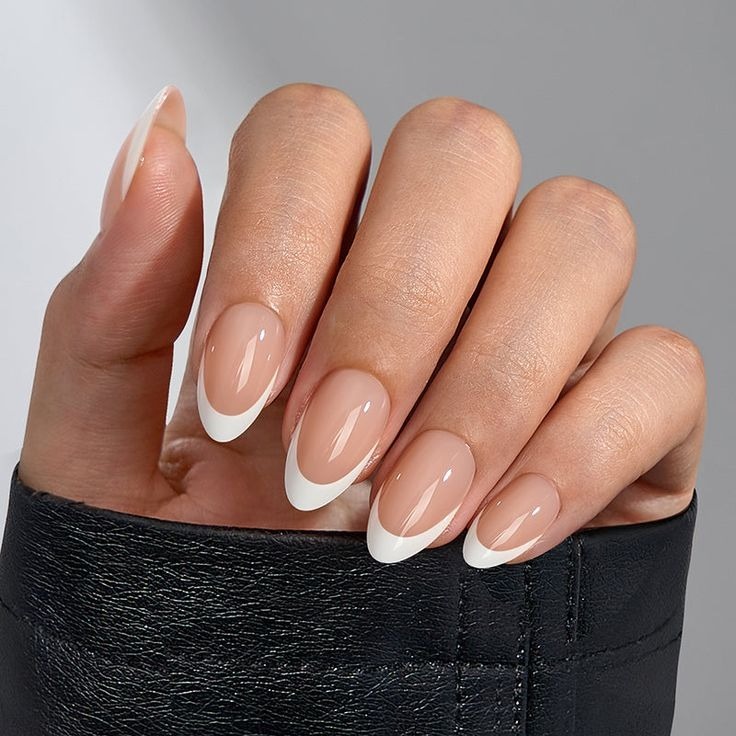
Today, it can be minimal, chromed, translucent, diffused, warm, colorful, or almost invisible. It can still be elegant without feeling stiff. It can include design without losing cleanliness. It can look current while still being easy to wear.
That is why it continues to work: when it is chosen well, it does not look like a copied trend. It feels like an aesthetic decision made for you.
Save this guide for your next inspiration and use it as a starting point to choose a French manicure that not only looks beautiful, but truly flatters you. Once you know whether you want something clean, luminous, delicate, or more expressive, we can help bring that idea to your hands at your next appointment.